Board Dimensions
5''6” x 20 3/8” x 2 3/4”
Nose Width: 15 1/2”
Nose Width: 16 3/8”
Foil: Full foil carried through the nose and tail.
Bottom Contour: Single to double concave with a twin vee concave channel running between fins.
Fin Setup: Twin, Future, Keels (FINS INCLUDED)
Approx. 34 L (handshaped)
About the Board
We’ve just made a small run of these as stock boards, based off our Twin Keel Fish in the shapes section of our page. Jack’s slightly pulled in the nose and tail widths at 12”, giving them a touch more curve through the planshape and a livelier feel compared to our standard Twin Keel.
Each one is handshaped by Jack, finished in a full pigment colour with a wet-rubbed finish and resin bridge leash loop.
They’ve still got all the speed and flow you’d expect from a classic fish. Low rocker and plenty of foam forward make them easy to paddle and quick to get going, while the slightly more pulled-in outline makes them a little easier to move around and transition from rail to rail without taking away from that classic fish feel.
Through the tail, Jack shapes in what he calls his Twin Vee bottom. He starts by shaping a vee through the back of the board, then adds a concave channel through the centre between the fins. The channel gives the water a fast, clean path through the middle for extra speed and drive, while the fins and rails remain on the angled sides of the original vee. This helps the board roll onto rail and frees it up through turns, while still keeping plenty of drive and hold.
We’ve set them up with Futures boxes, specifically positioned to suit the larger keel fins supplied with each board. The keels have a 7 1/4” base, giving them plenty of drive and hold and working really nicely with the Twin Vee through the tail.
Overall, they’re a really fun, easy fish to surf. They’re best in waves with a bit of a wall where you can let the board run, draw out longer turns and use the speed of the keel. They go well in anything from softer beach breaks to clean points, and have enough glide to make the most of smaller days while still holding in when there’s a bit more push.
Board Dimensions
5''6” x 20 3/8” x 2 3/4”
Nose Width: 15 1/2”
Nose Width: 16 3/8”
Foil: Full foil carried through the nose and tail.
Bottom Contour: Single to double concave with a twin vee concave channel running between fins.
Fin Setup: Twin, Future, Keels (FINS INCLUDED)
Approx. 34 L (handshaped)
About the Board
We’ve just made a small run of these as stock boards, based off our Twin Keel Fish in the shapes section of our page. Jack’s slightly pulled in the nose and tail widths at 12”, giving them a touch more curve through the planshape and a livelier feel compared to our standard Twin Keel.
Each one is handshaped by Jack, finished in a full pigment colour with a wet-rubbed finish and resin bridge leash loop.
They’ve still got all the speed and flow you’d expect from a classic fish. Low rocker and plenty of foam forward make them easy to paddle and quick to get going, while the slightly more pulled-in outline makes them a little easier to move around and transition from rail to rail without taking away from that classic fish feel.
Through the tail, Jack shapes in what he calls his Twin Vee bottom. He starts by shaping a vee through the back of the board, then adds a concave channel through the centre between the fins. The channel gives the water a fast, clean path through the middle for extra speed and drive, while the fins and rails remain on the angled sides of the original vee. This helps the board roll onto rail and frees it up through turns, while still keeping plenty of drive and hold.
We’ve set them up with Futures boxes, specifically positioned to suit the larger keel fins supplied with each board. The keels have a 7 1/4” base, giving them plenty of drive and hold and working really nicely with the Twin Vee through the tail.
Overall, they’re a really fun, easy fish to surf. They’re best in waves with a bit of a wall where you can let the board run, draw out longer turns and use the speed of the keel. They go well in anything from softer beach breaks to clean points, and have enough glide to make the most of smaller days while still holding in when there’s a bit more push.

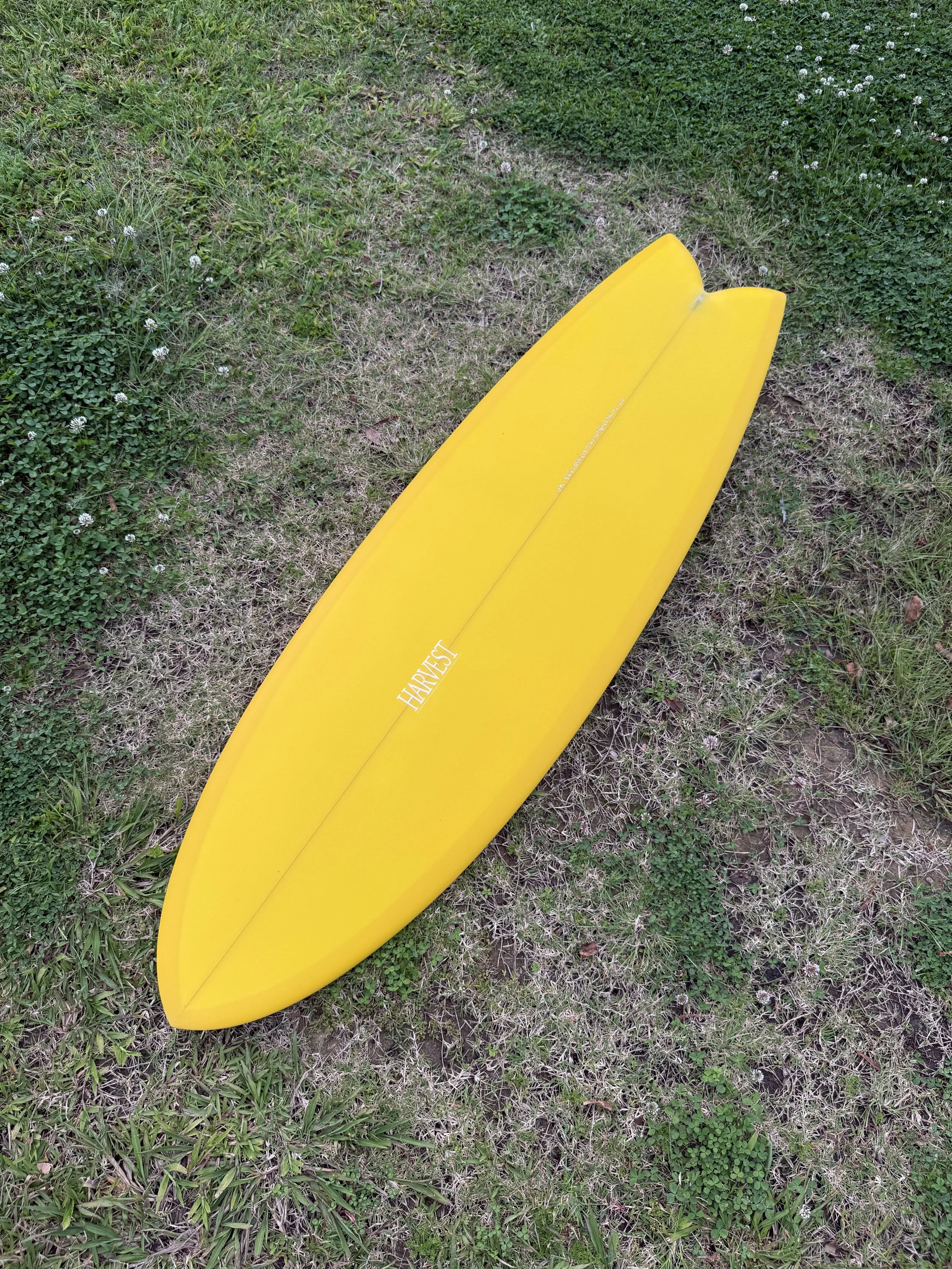 Image 1 of 8
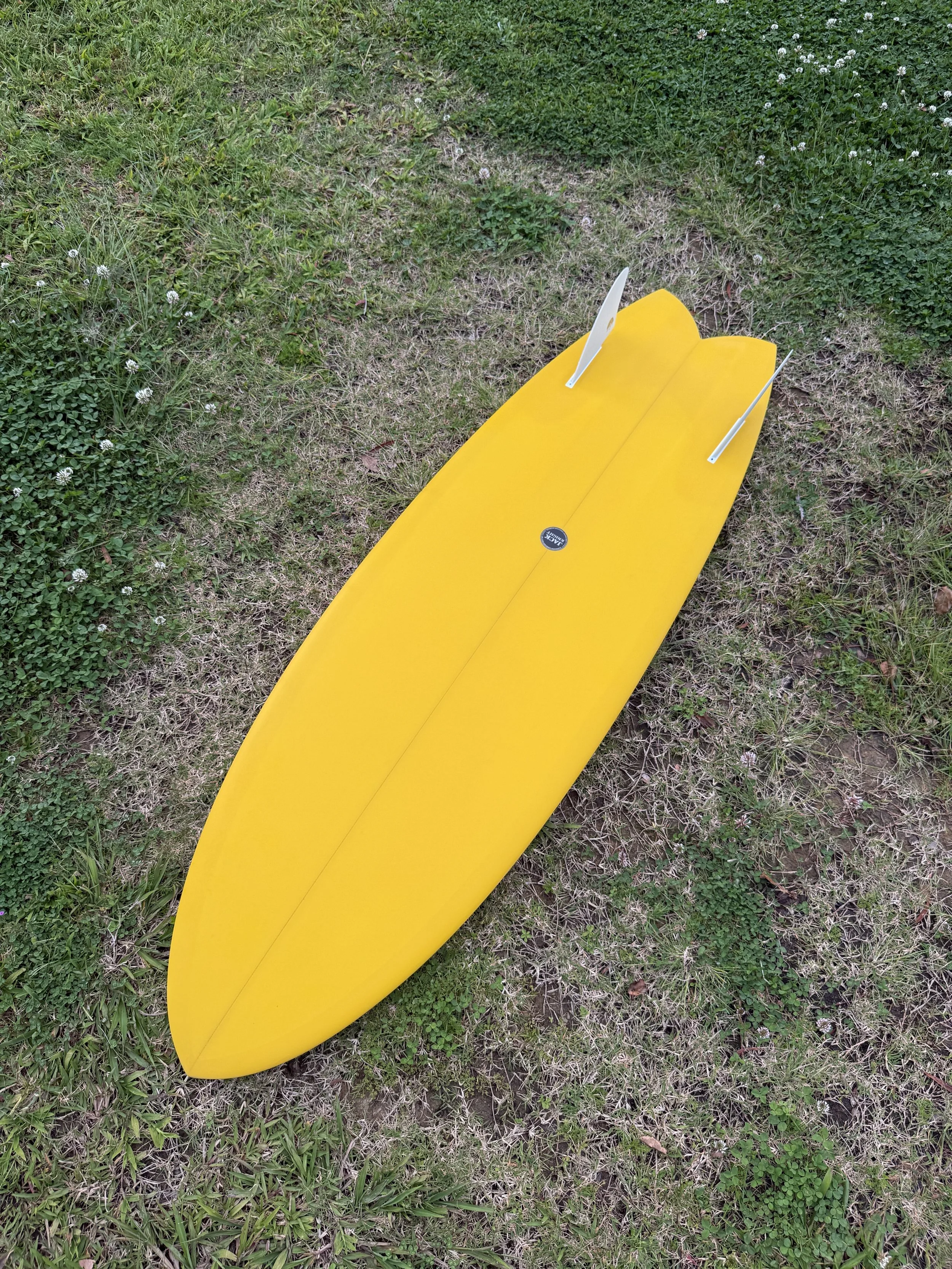 Image 2 of 8
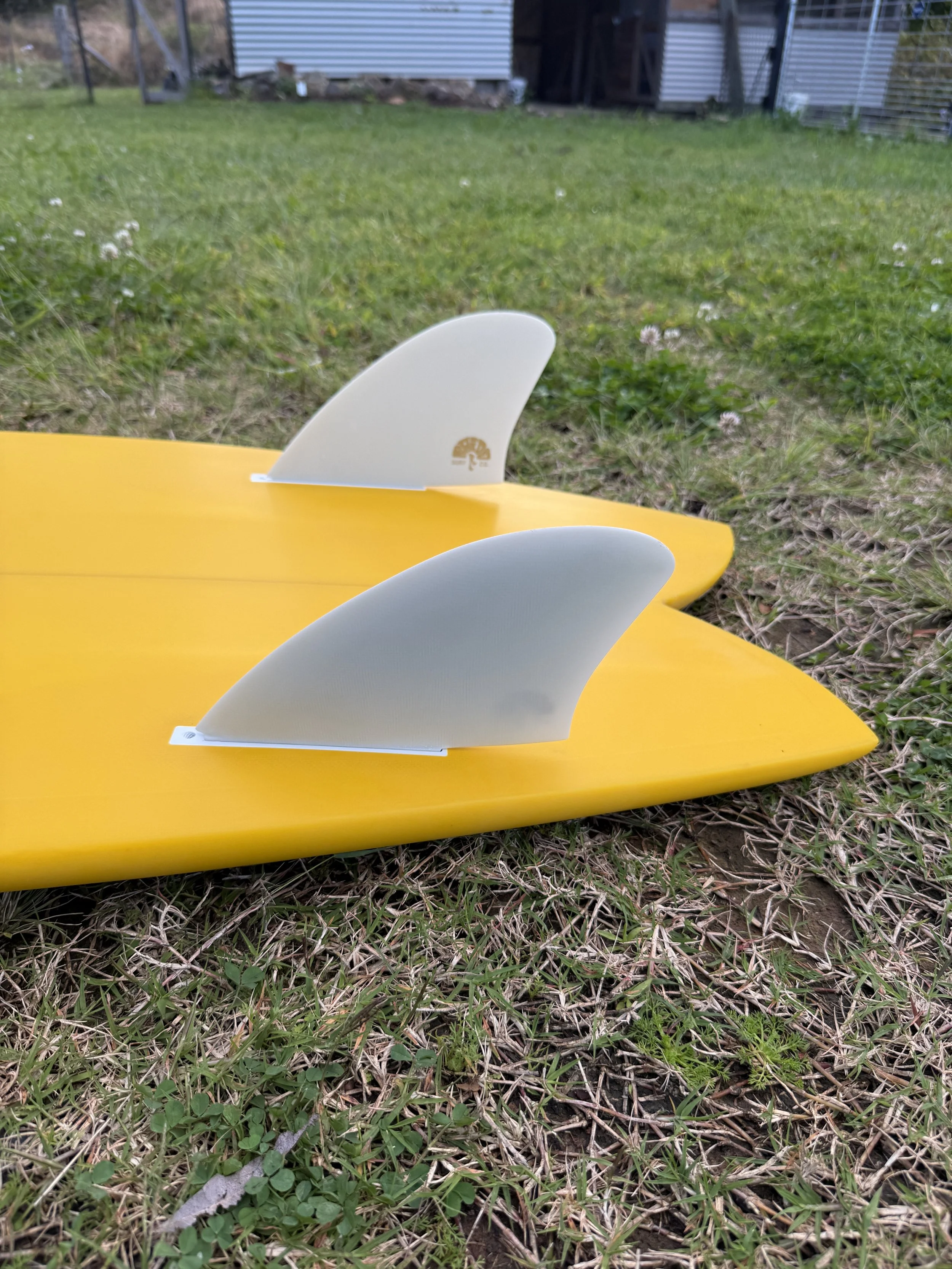 Image 3 of 8
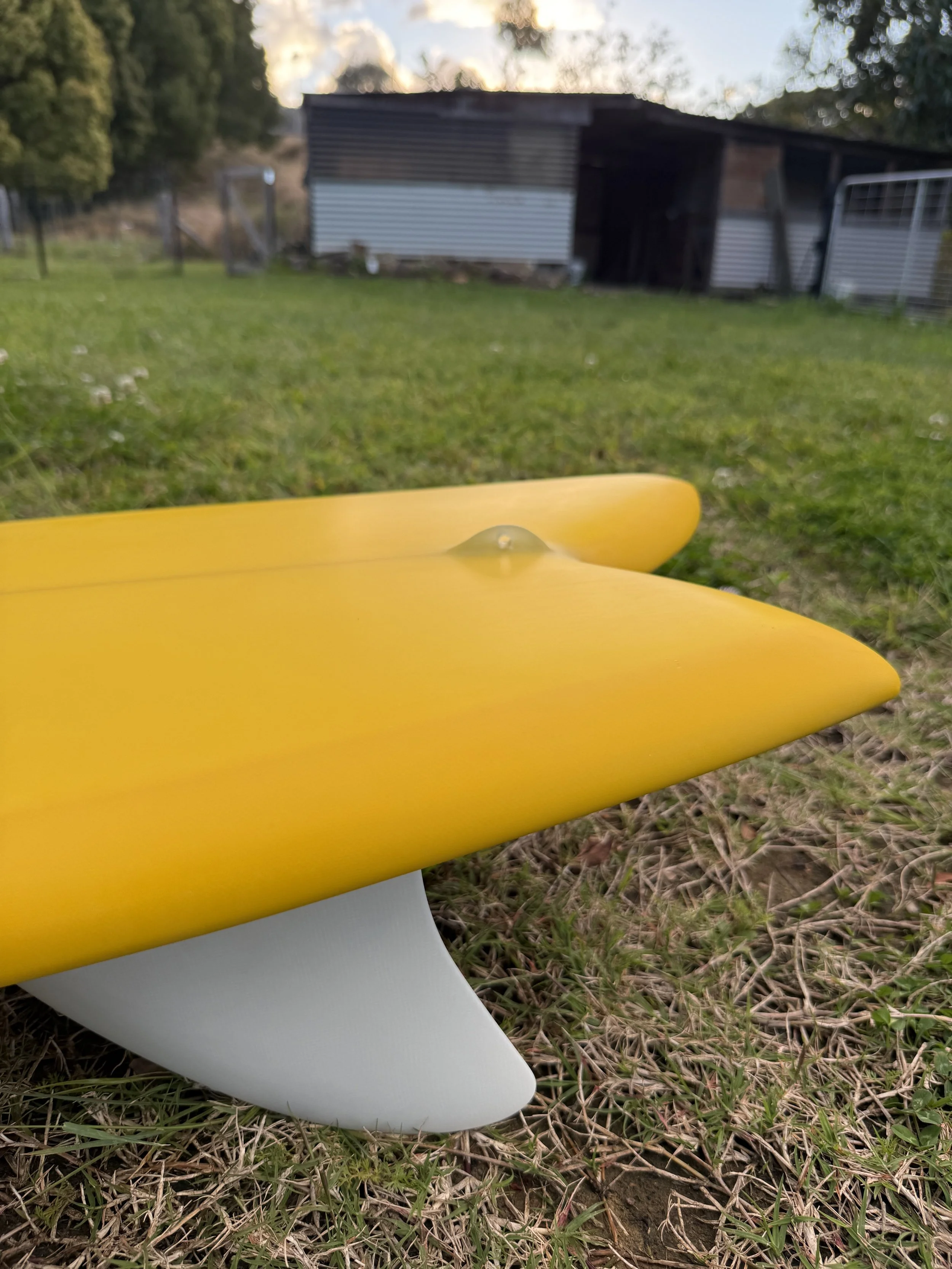 Image 4 of 8
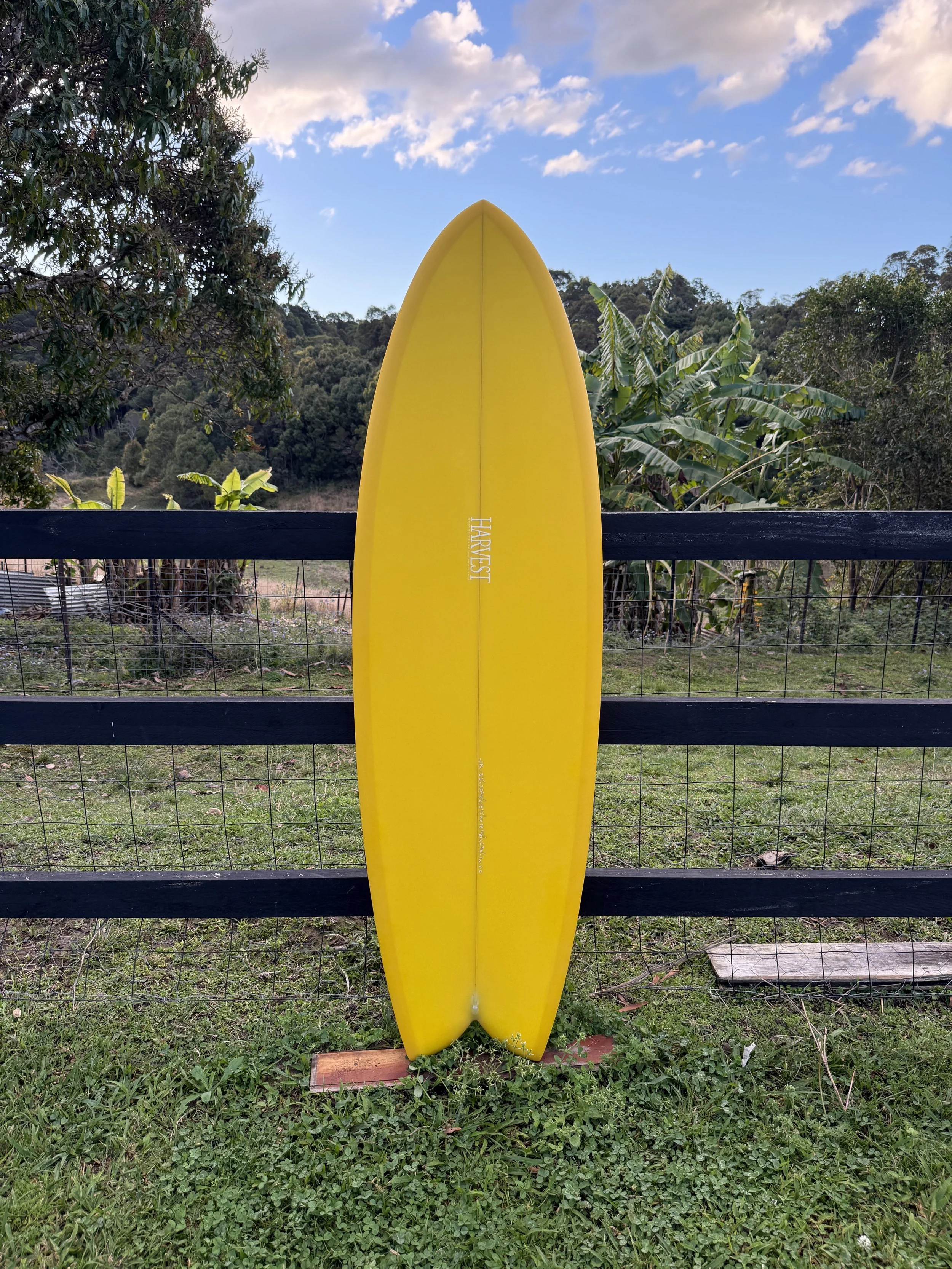 Image 5 of 8
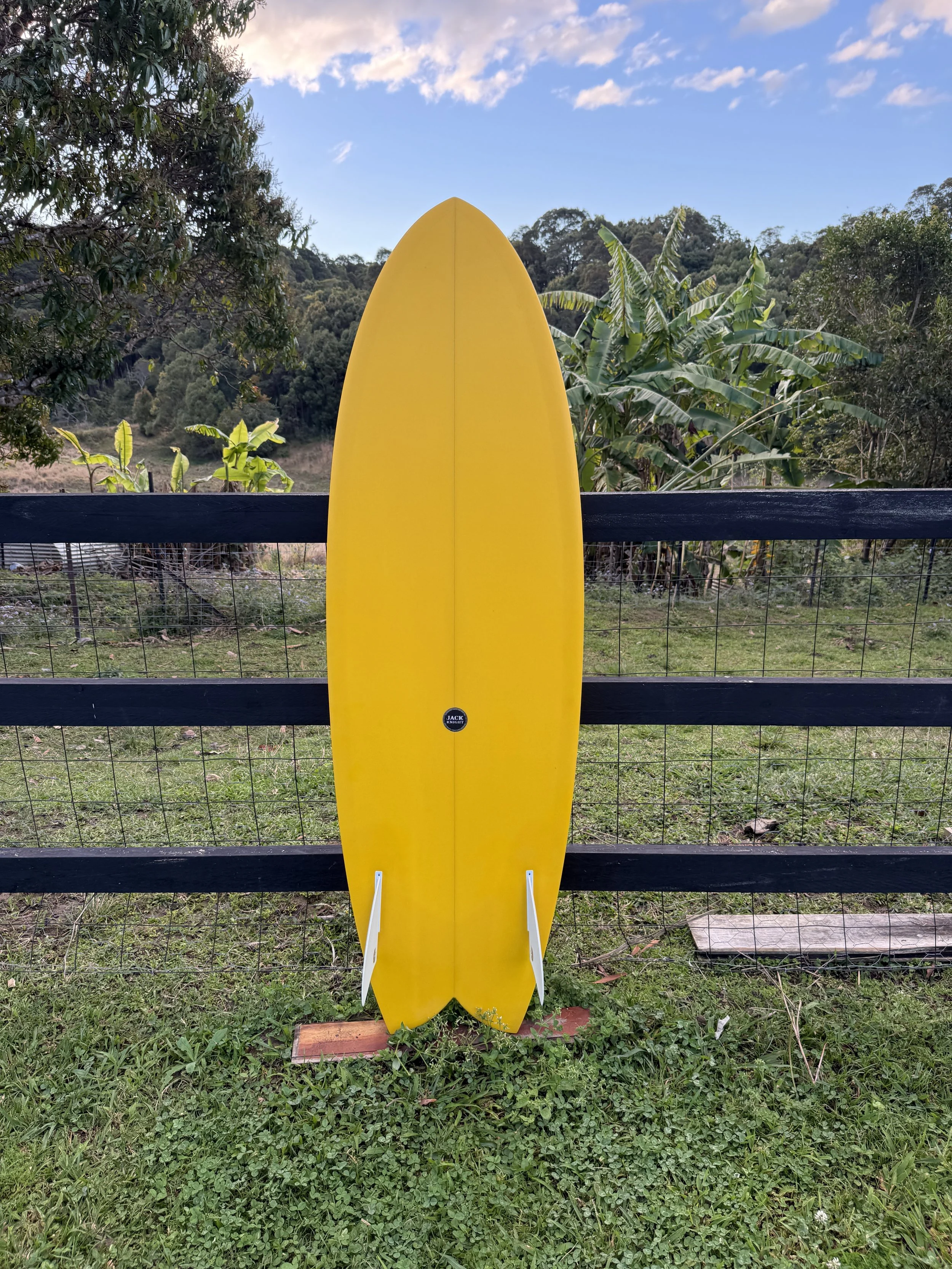 Image 6 of 8
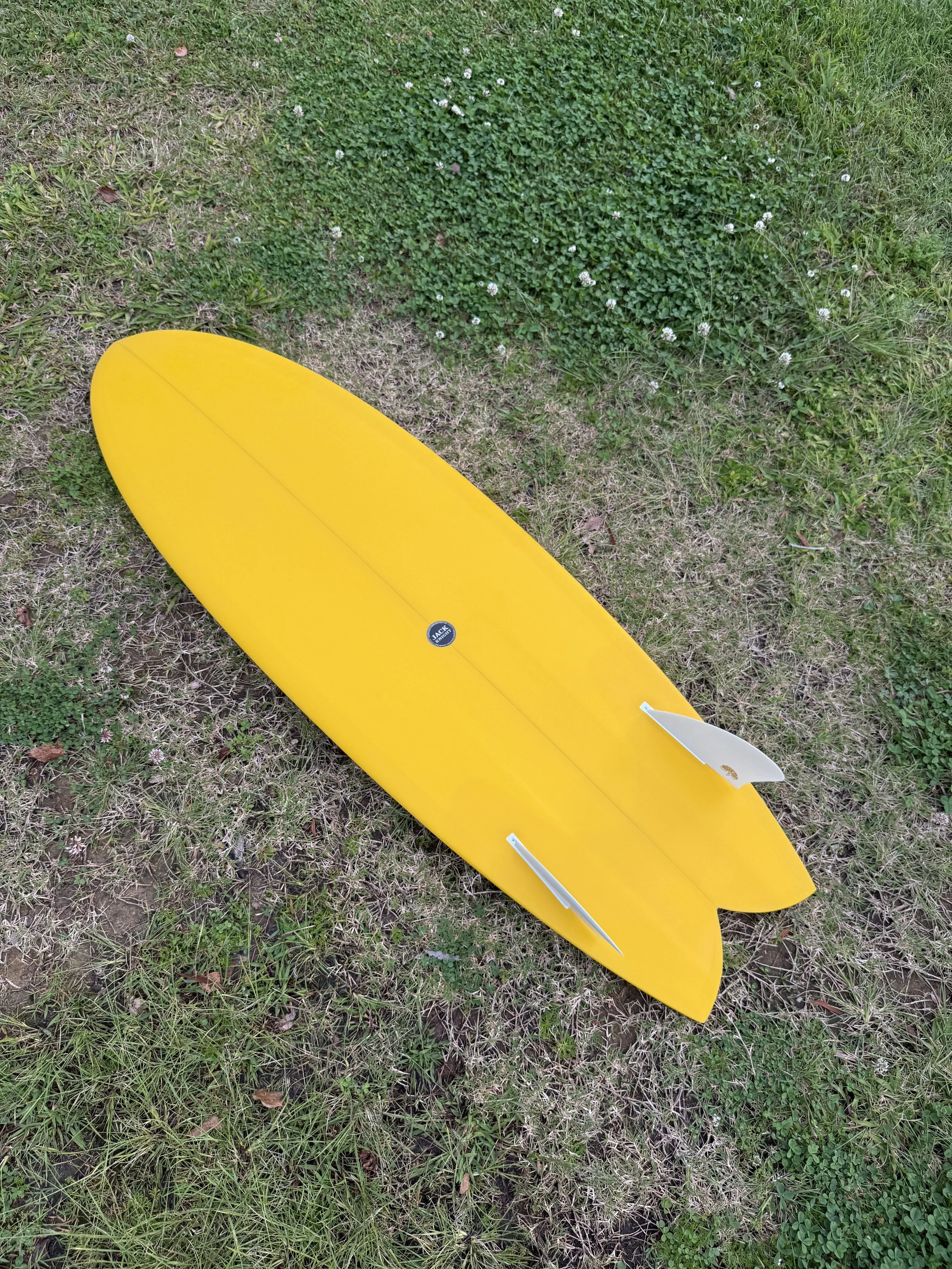 Image 7 of 8
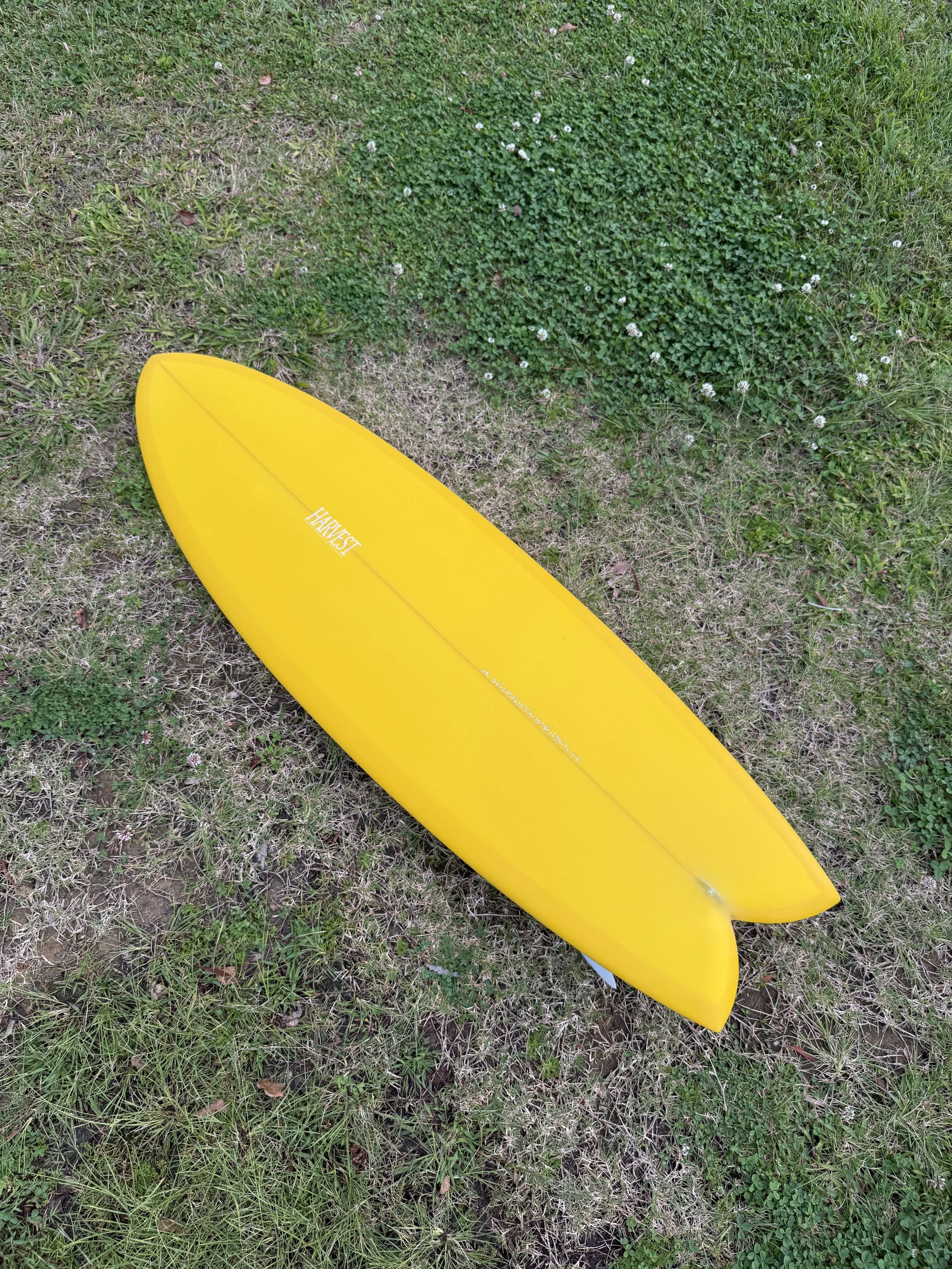 Image 8 of 8